PATRIZIA SALLES
-
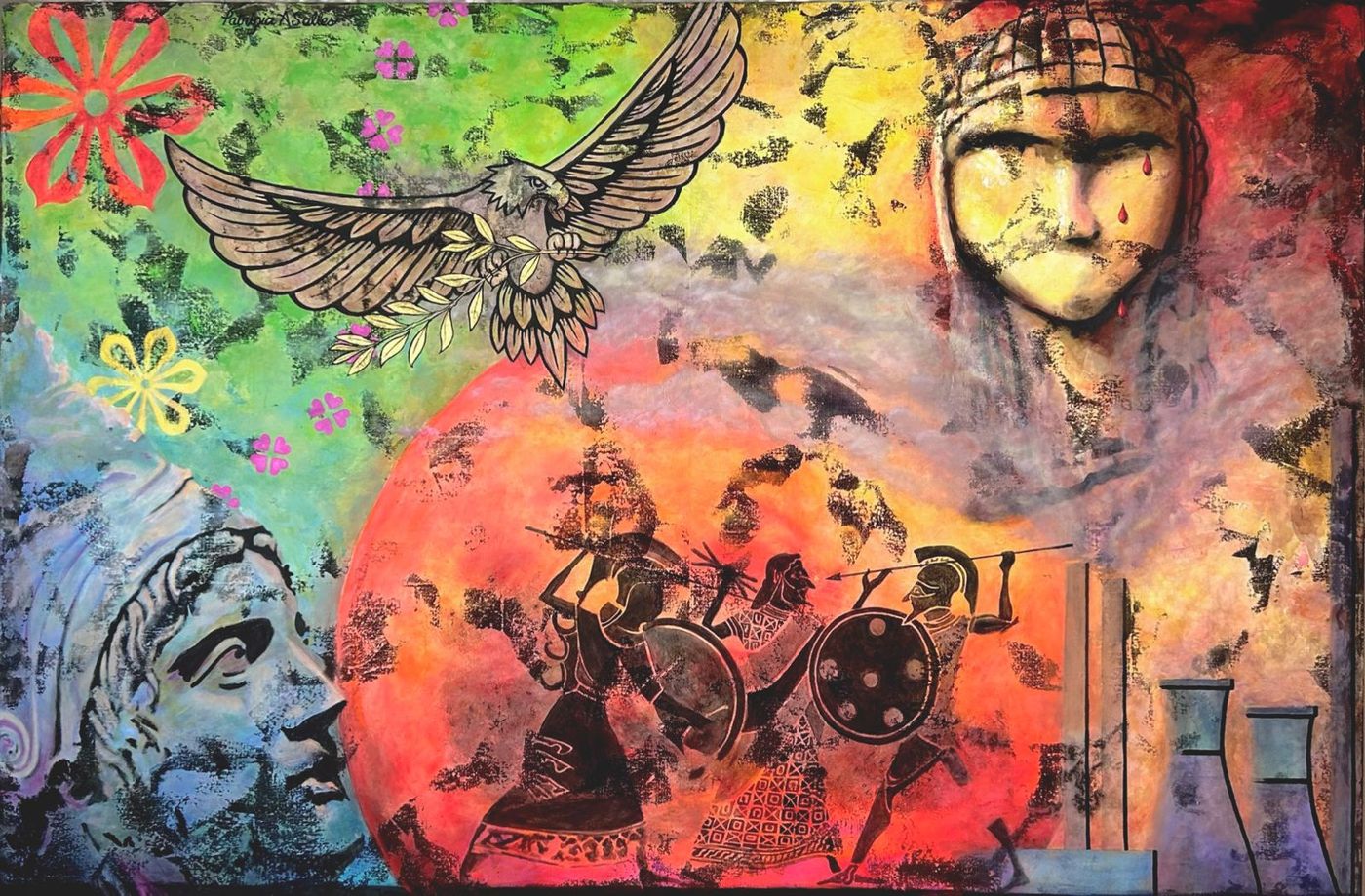
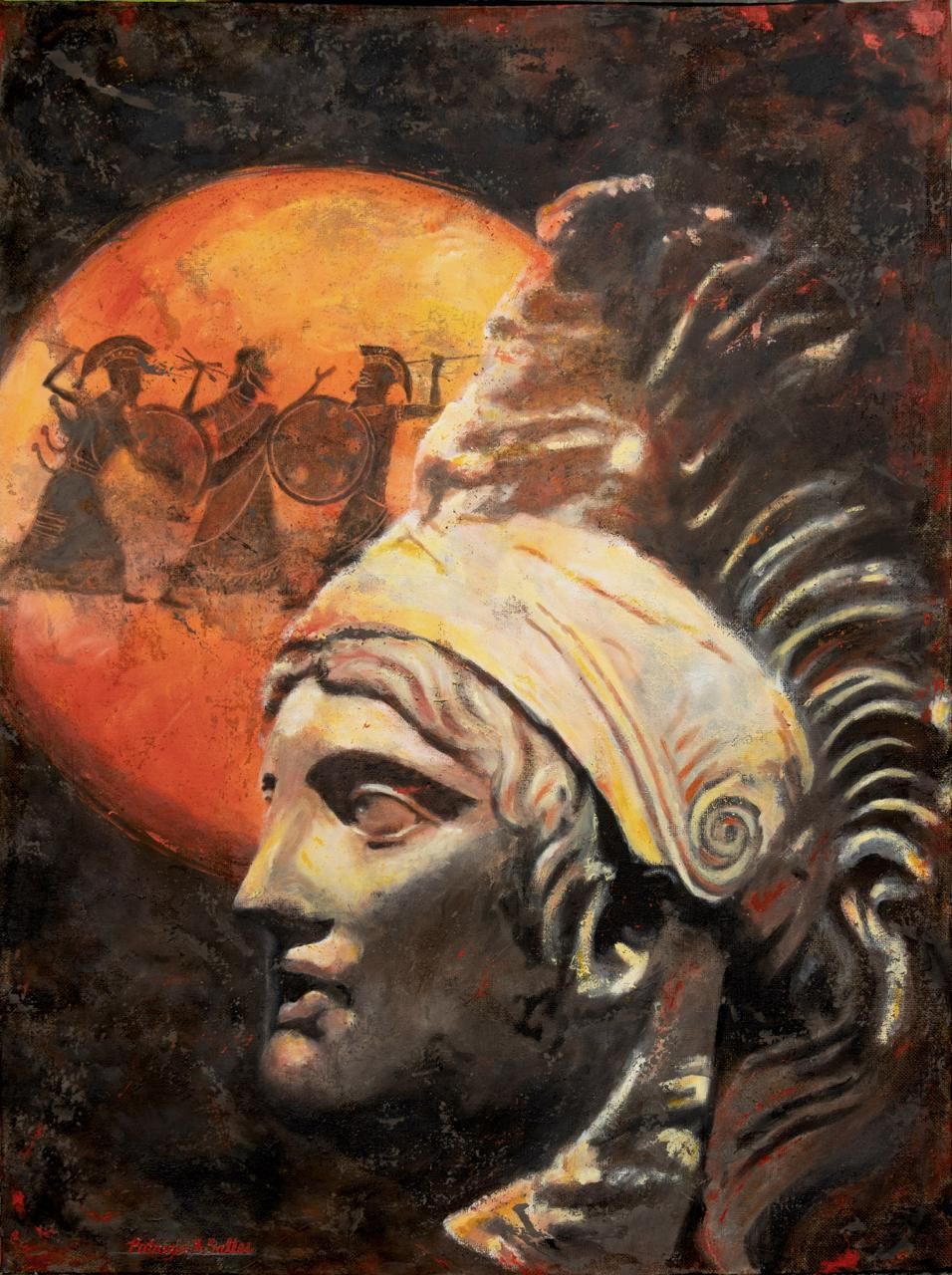
Mars, 2024, mixed media on jute, 300x200 cm
-
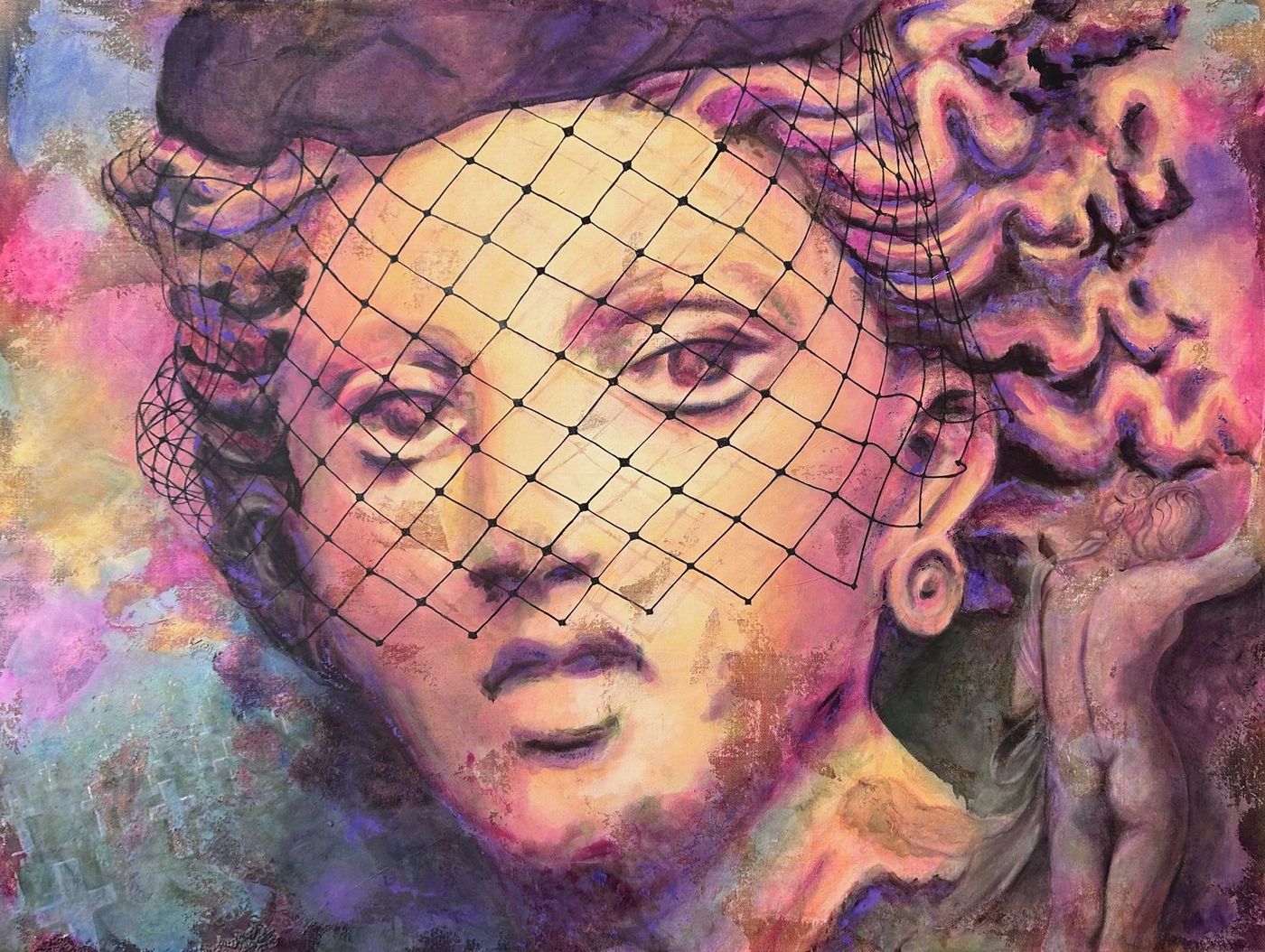
Where have all the flowers gone, 2024, acrylic on jute, 160x120 cm
-
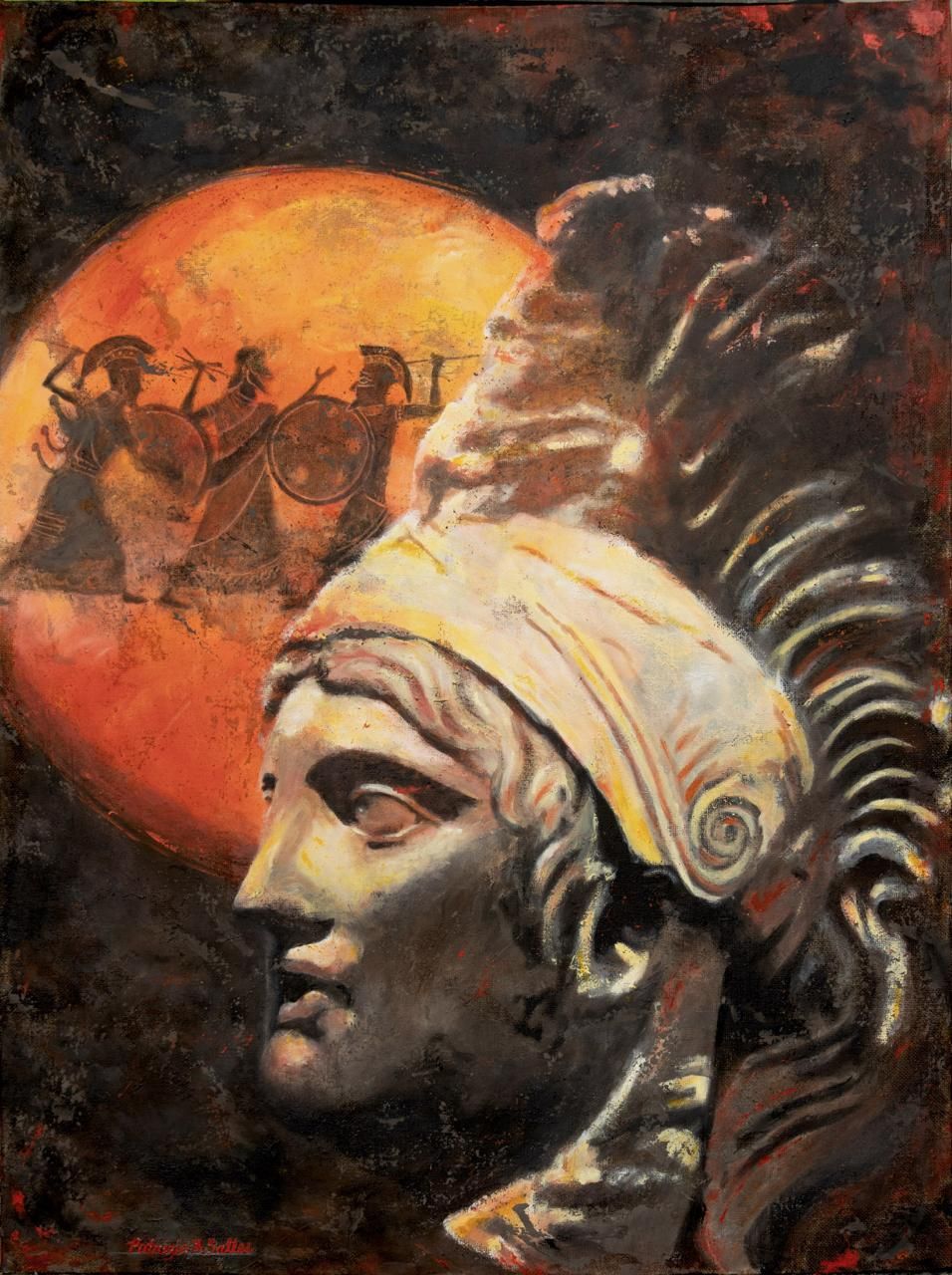
Mars study, 2024, mixed media on jute, 90x120 cm
-
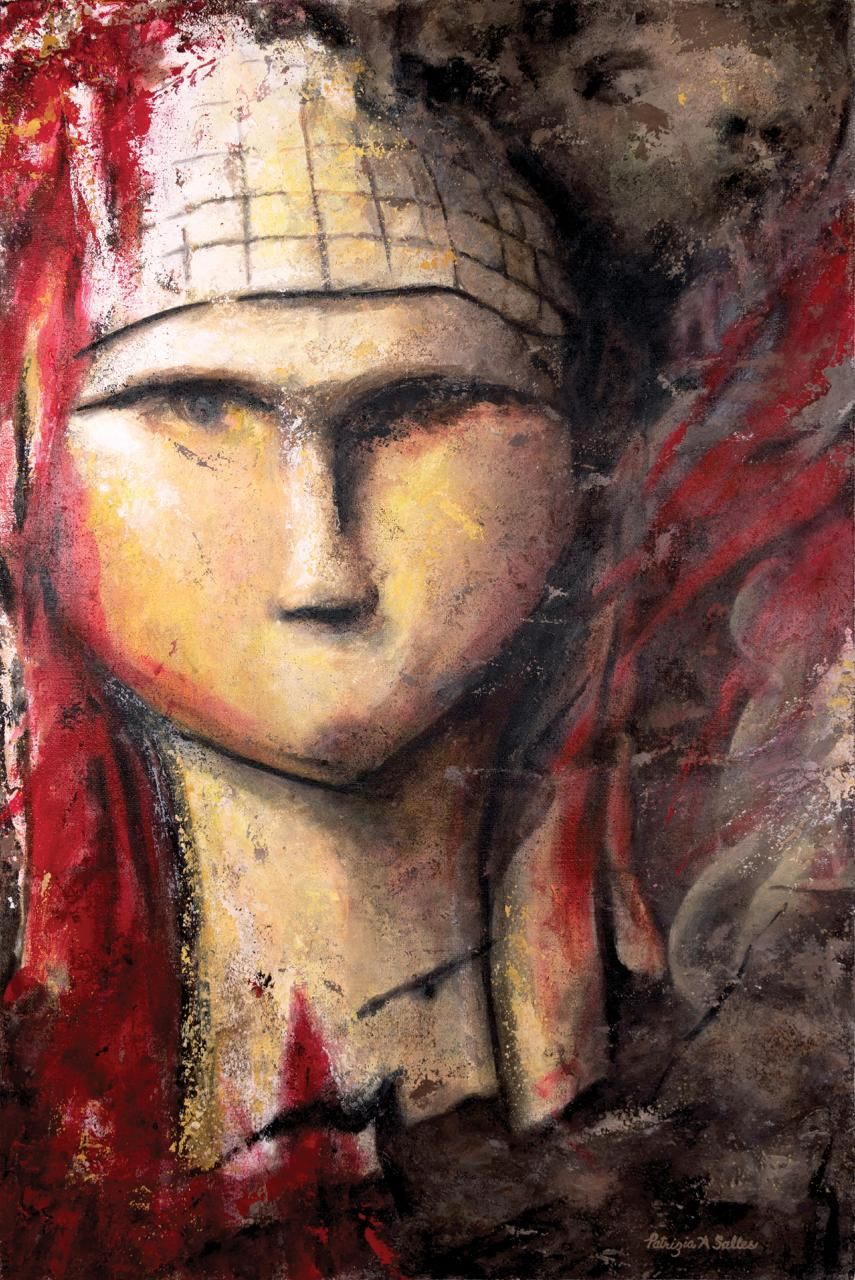
Victim or perpetrator, 2021, mixed media on jute, 80x120 cm
-
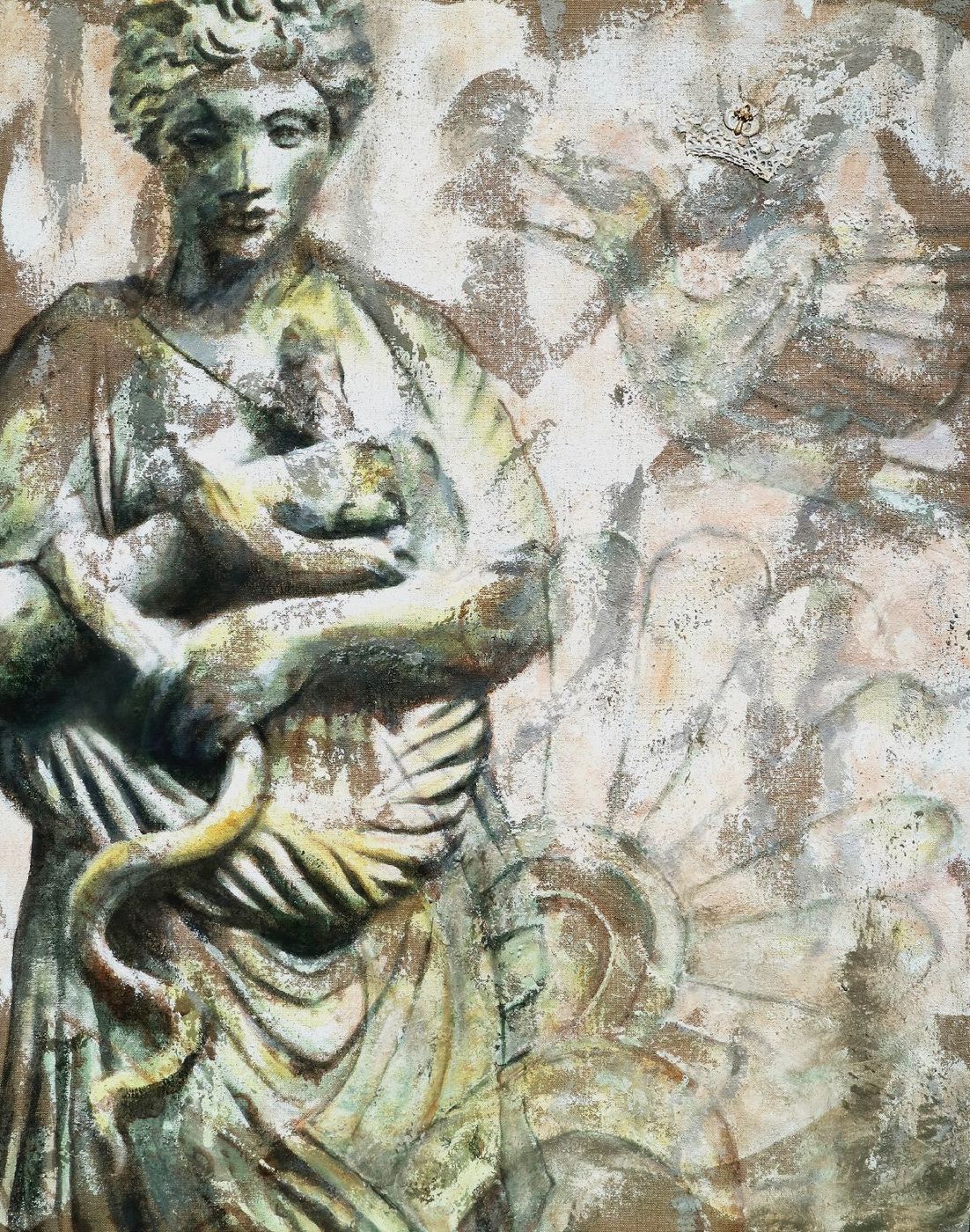
Todi with Harpie, 2024, mixed media on jute, 90x90 cm
-
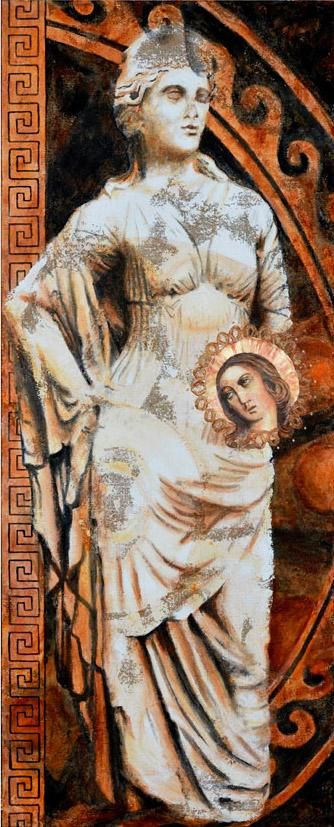
Adoration III, 2018, mixed media on jute, 80x200 cm
-
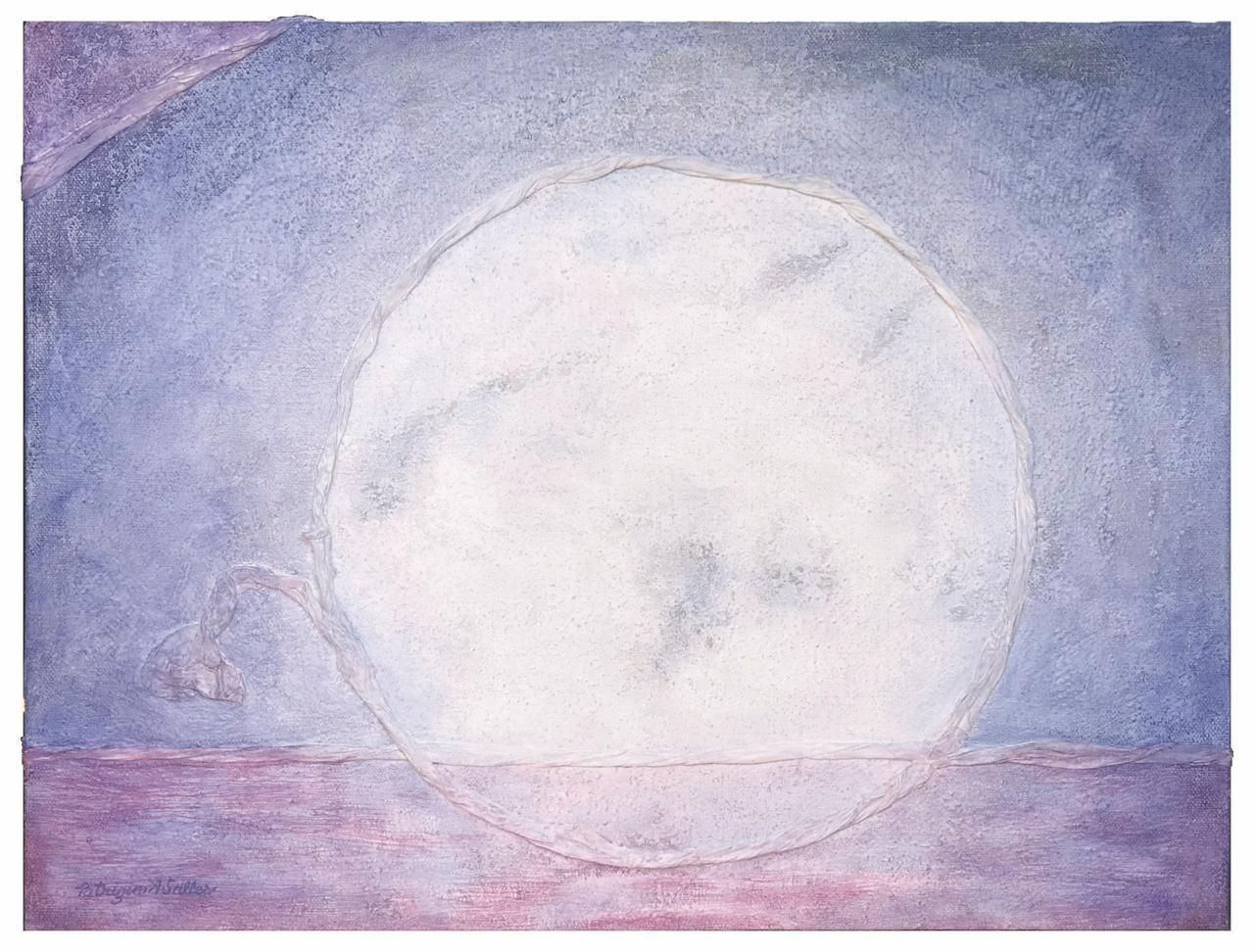
Luna IV, 2019, mixed media on jute, 73x55 cm
-
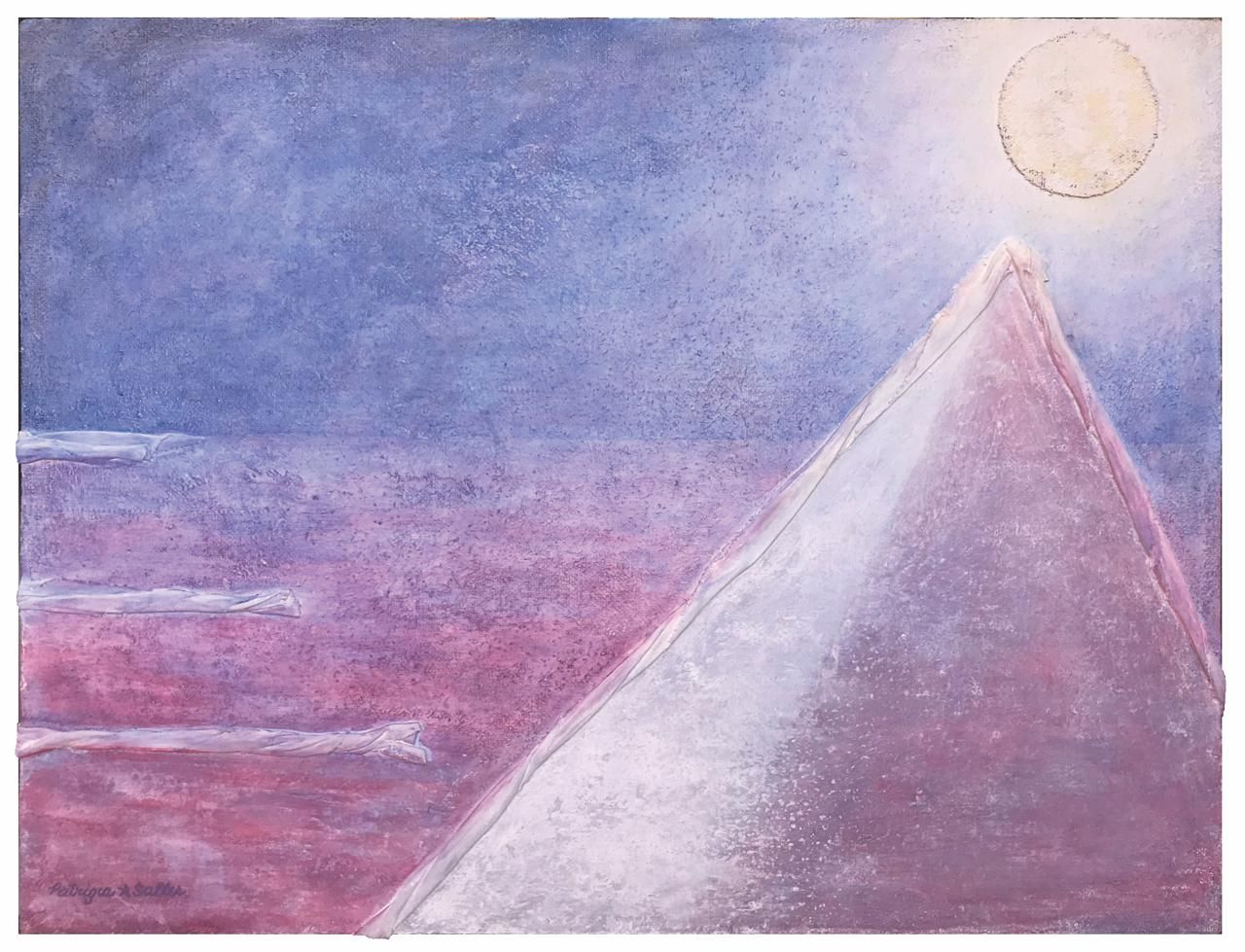
Luna V, 2019, mixed media on jute, 73x55 cm
-
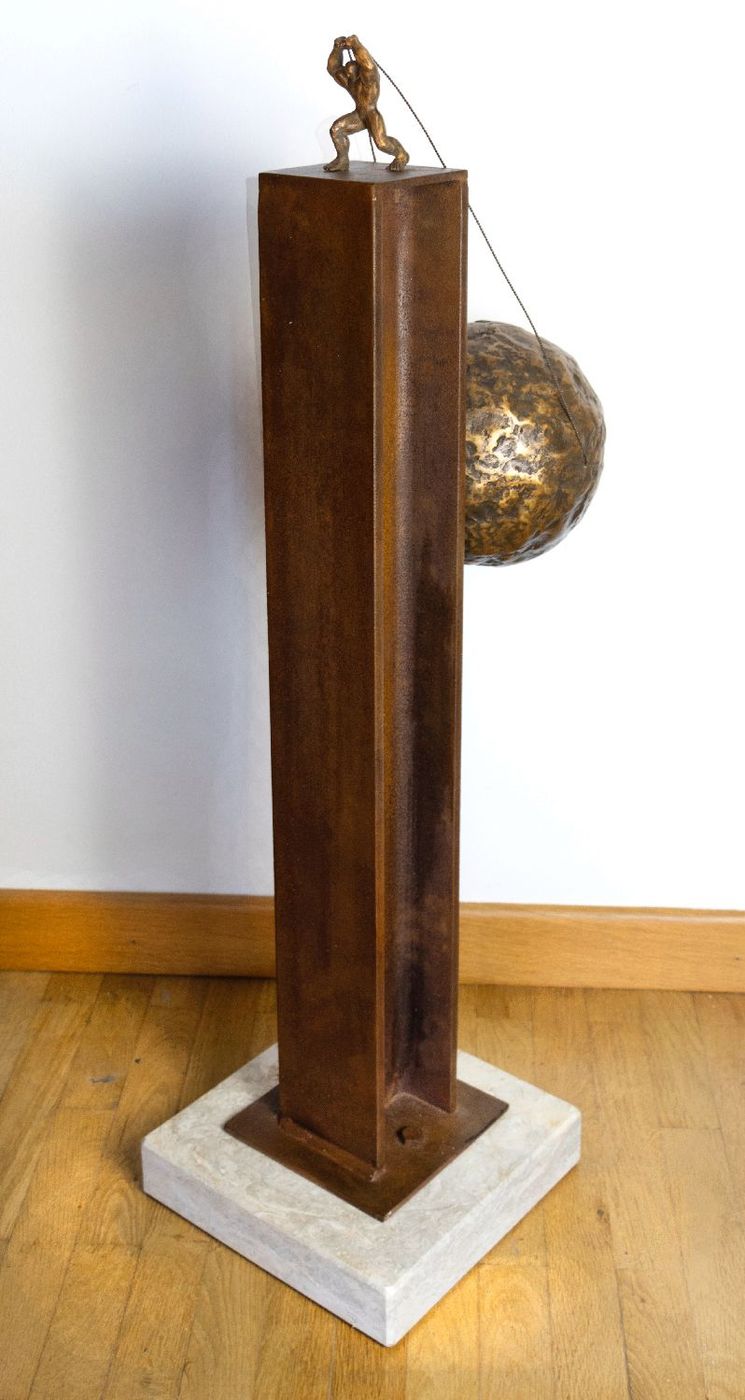
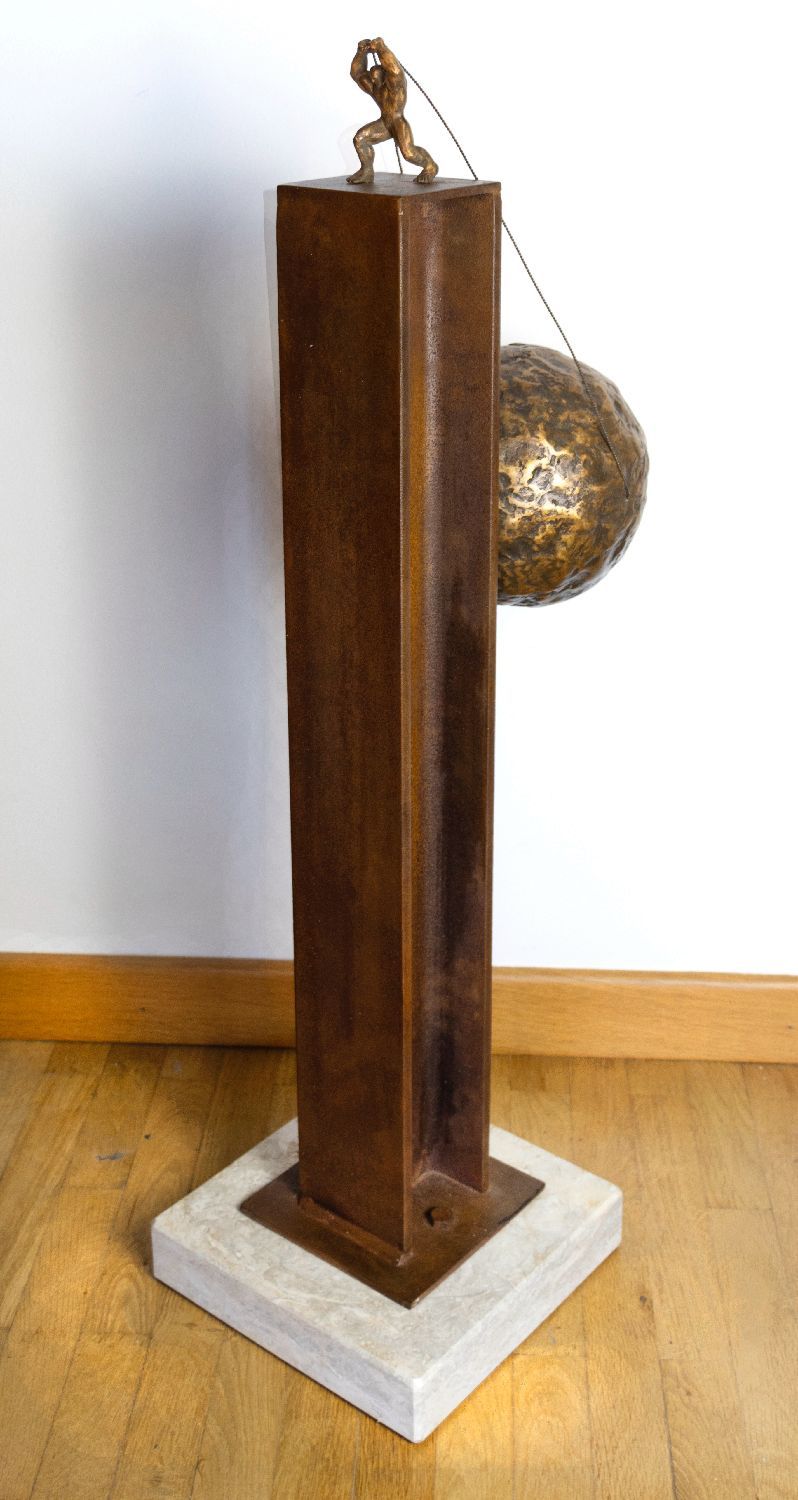
Atlas, 2024, bronze and steel on marble, 22x32x95 cm
-
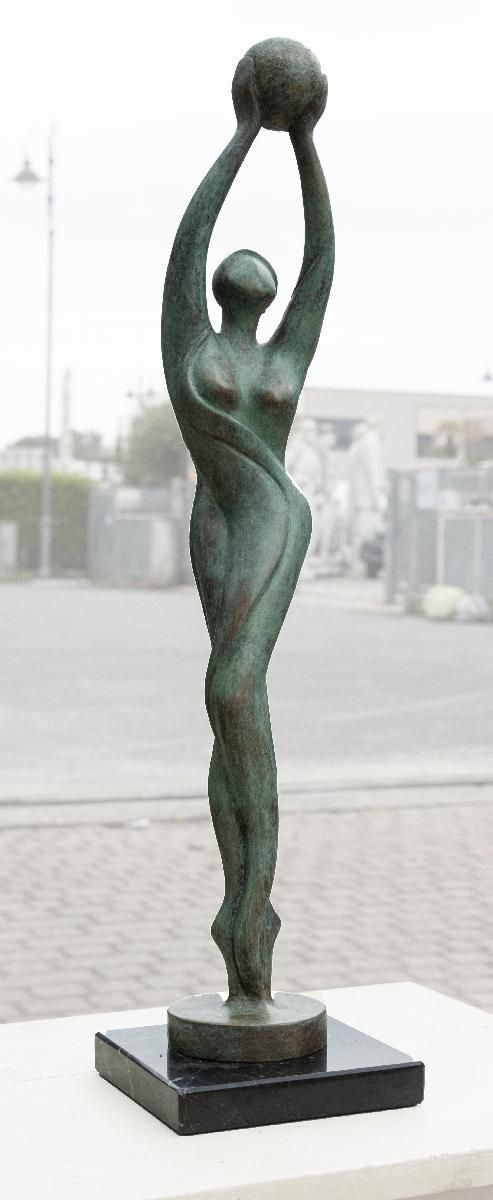
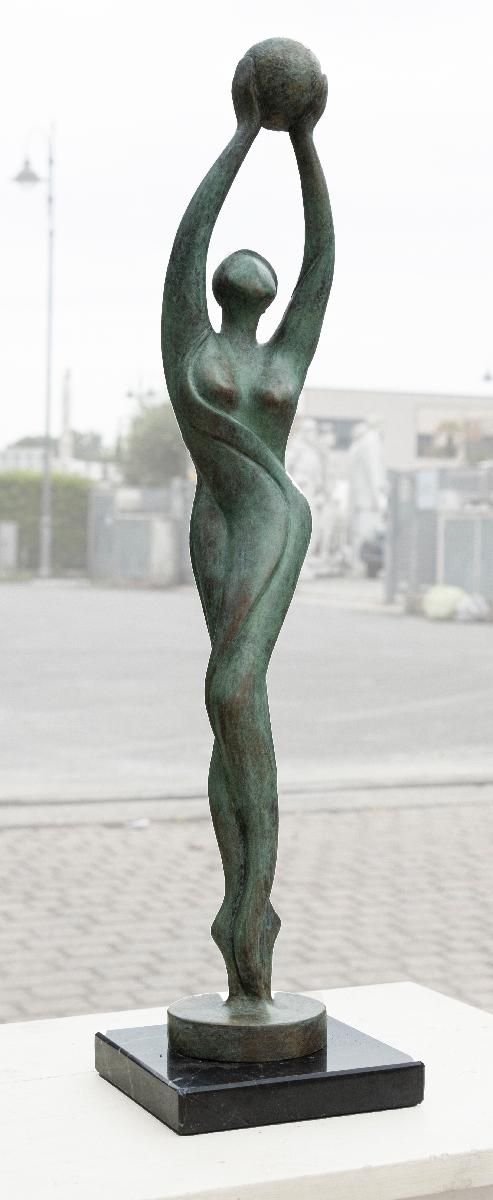
Moondance, 2024, bronze on marble, 12x12x50 cm




Biography
Born in Bordeaux, France, Patrizia A. Salles earned her degree in art at the Art Institute of Atlanta, USA, graduating second in her class. She learned digital and video arts during her twenty-five years in graphic design and her time as president of a boutique marketing firm in Houston, Texas. As an artist, Patrizia has won national awards in the United States. More recently she has studied with the Argentine painter and photographer Pablo Bobbio, PhD, and with the jewelry maker Sandra Silker of Houston, Texas; she has taken part in workshops on contemporary art forms at the Accademia Carrara di Belle Arti in Bergamo; she has obtained certification as a Master Mosaicist at Orsoni, Venice; and she has continued her figurative studies at the Accademia Balbo in Bordighera. Patrizia lives between Bordighera and Alabama, in the United States.
Patrizia A. Salles’s works are the result of various elements of her life. The years spent in different parts of the world help create a diversified body of work that is never monotonous, while history and archaeology, two great passions of Salles, influence her art through the constant recourse to patterns derived from those subjects. Her art, in fact, communicates the eternal, the mystical, the mythical: it is as if it spoke of a veil rooted in time, which separates the mortal from the immortal, reality from fiction.
The dominant characteristics of Salles’s art are movement, with the constant cycles of our earth and the movement of its peoples through space and time, and the texture of places, understood as the rich essence of our natural and decorative, human and cultural environments. Thus, through her gaze on humanity’s past, Salles aspires to influence a better future.